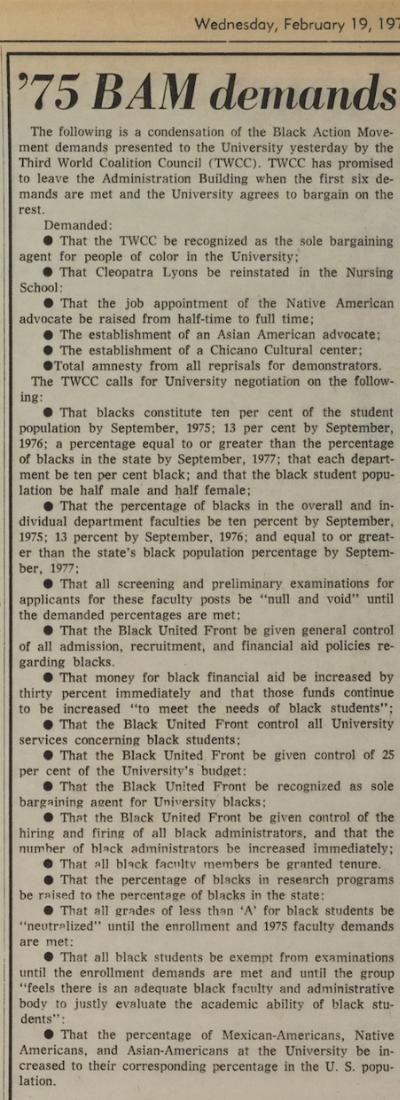
Born from Activism
Since its inception, OAMI has been a leader in fostering student leadership and enriching the campus community. OAMI’s multicultural and academic programs and initiatives have recruited, retained, and graduated racially, culturally, and economically diverse students, including first-generation and transfers. OAMI has enriched these students’ academic experiences and contributed significantly to a more inclusive and equitable environment for all university community members.
As we have built on this work over the past 35 years, we honor the student activism and sacrifice that compelled the university to make OAMI and other student support offices a reality.
BAM Legacy Tour
OAMI’s Beginnings
U-M Activism History
BAM Legacy Tour
For decades at U-M, students of color have used collective action to pressure the administration and fight for a more equitable campus. The Black Action Movement (BAM) and the students who came after have organized at various times of social unrest. The following videos tell the story of how Black students and their allies organized and helped create four university units that continue to serve the campus community: the Comprehensive Studies Program (CSP), the Office of Multi-Ethnic Student Affairs (MESA), the Trotter Multicultural Center, and the Office of Academic Multicultural Initiatives (OAMI).
Understanding this critical element in the journey toward a more equitable campus will give you a clearer understanding of how student sacrifice and prolonged engagement has shaped U-M.
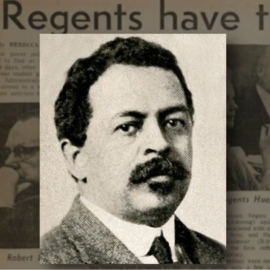
BAM I - 1970 to 1975
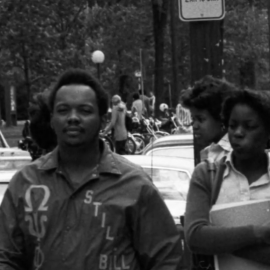
BAM II - 1975 to 1987
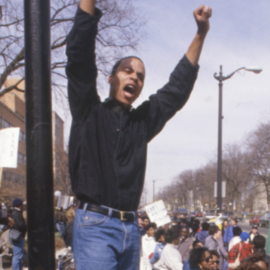
BAM III - 1987 to 2013
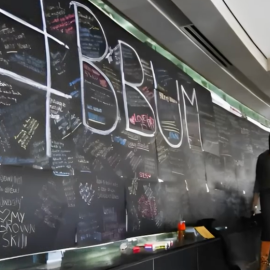
#BBUM - 2013 to 2014
The Black Action Movement Legacy Tour is a joint project of:
- Office of Academic Multicultural Initiatives
- Office of Multi-Ethnic Student Affairs
- Trotter Multicultural Center
Video Credits
- Thomas Vance
- Gloria Derr Taylor
- John Rodriguez
- Thomas Vance
- Thomas Vance
- Brendan Kirwin
- Keith Jason
- Yen Azzaro
- Brendan Kirwin
Your donation will help us advance multiculturalism and promote student success at Michigan
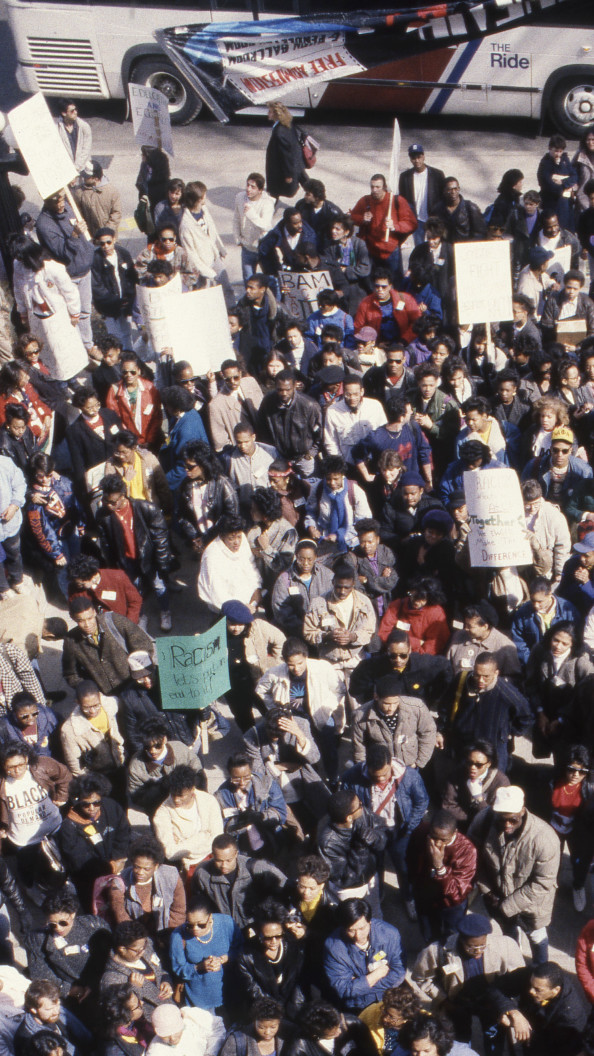
OAMI’s Beginnings
In January 1987, student activists organized to combat and protest the dismal racial climate at the university. Two incidents fanned the flames: a group of Black women received a fake hunting notice announcing “open season” on Black people, and the student-run radio station, WJJX, played a segment with racist jokes and a laugh track. Fed up with the university leadership’s inaction on low diversity enrollment, lack of diverse campus leadership, and a litany of racist acts, students of color had had enough.
The United Coalition Against Racism (UCAR) and the Black Action Movement III (BAM III) organized to make the university listen. UCAR’s demands focused on all underrepresented communities, including creating an Office of Minority Affairs. BAM III organizers sought additional funding for the Black Student Union (BSU) and the Trotter House, an increase in minority leadership representatives, and the addition of racial harassment and discrimination clauses in the university’s rules and regulations. In addition, BAM III rallied for an uncompromised ratification of UCAR’s demands.
When President Shapiro failed to meet UCAR’s demands, students invited Reverend Jesse Jackson to mediate negotiations to end the prolonged struggle. In March 1987, six concessions were made, including creating an Office of Minority Affairs (OMA) to assist in recruiting and retaining minority students, faculty, and staff.
In 1993, when Dr. Lester Monts became vice provost for academic and multicultural affairs, the Office of Minority Affairs was renamed to the Office of Academic Multicultural Initiatives (OAMI).
Additional Resources
While not as well-documented and researched as many chapters in Michigan’s history, here is a collection of additional resources to explore.
- History of the Black Student Union
- U-M Library’s Diversity in Student Life Exhibit
- U-M Library’s Black Action Movements Exhibit
- Common Ground: A Dialogue Across Decades of Student Activists at Michigan panel (2016, Ford School recording)
- The Fiftieth Anniversary of the Black Action Movement and the Way Forward (History News Network)
- “Open It Up or Shut It Down” – The 1970 Black Action Movement strike at Michigan (Ann Arbor Chronicle)
- On this day in 1970: U of M students fight for Black enrollment (Michigan Advance)